Every transformative technology eventually encounters a reality problem. Artificial Intelligence is currently experiencing one. The world is rapidly entering an AI-driven era, yet the overwhelming majority of AI infrastructure has been designed around assumptions that do not hold true for billions of people.
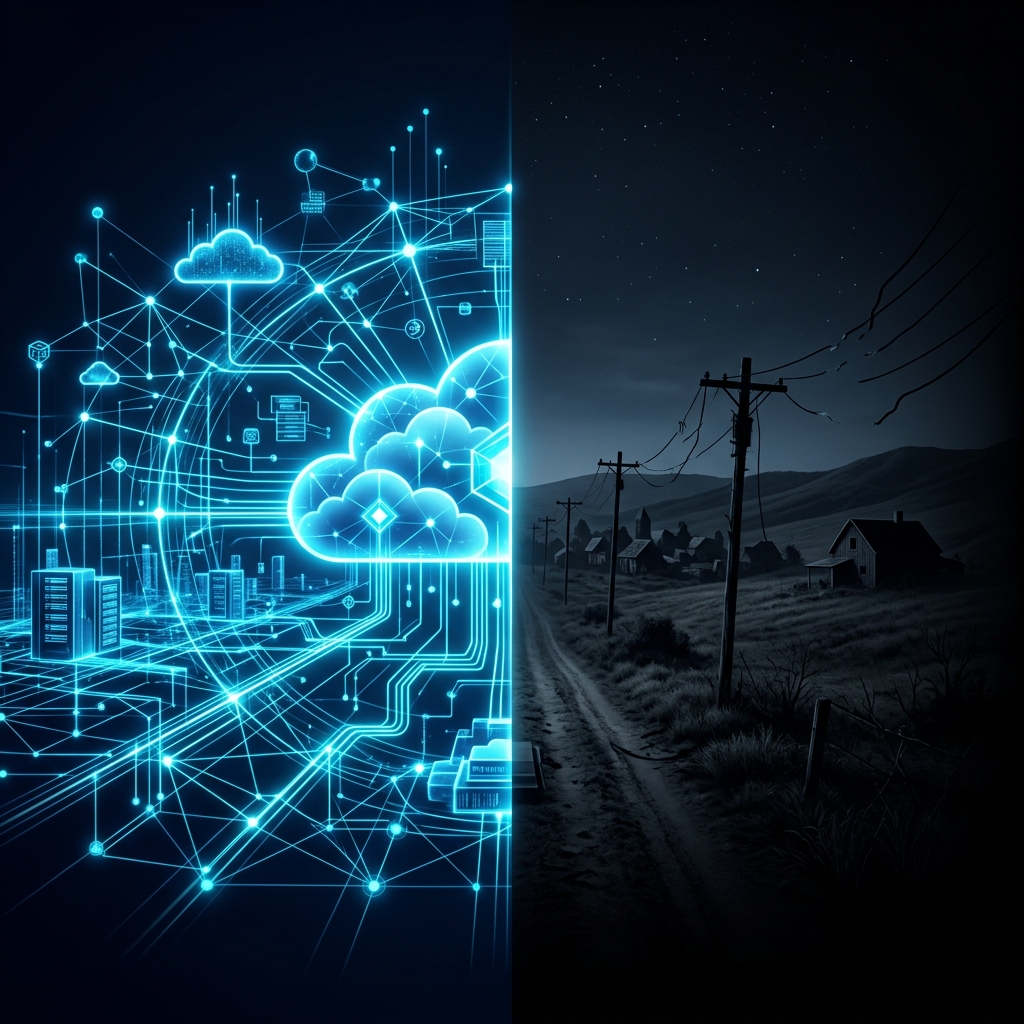
The Great Contradiction
Most modern AI systems assume stable internet, continuous cloud access, and recurring subscription budgets. For large portions of North America and Europe, these assumptions are reasonable. For emerging markets, they are not.
The Result
A growing intelligence divide. Not because people lack talent or ambition, but because the infrastructure required to access modern intelligence systems was never designed for their reality.
- Intermittent Internet
- Expensive Data
- Unreliable Connectivity
- Fragmented Infrastructure
Cloud-Native AI Was Built For Different Conditions
The system works beautifully. As long as the internet exists. As long as bandwidth exists. As long as remote servers remain accessible. Remove any of these assumptions and the experience degrades rapidly.
01. The Education Problem
Modern educational systems depend on online platforms and remote AI tools. Yet teachers face unreliable internet and students encounter interrupted access. The result is not simply inconvenience. It is reduced educational opportunity.
02. The Hidden Cost
Organizations measure subscription fees and hardware purchases. They ignore connectivity costs, downtime, and operational interruptions. The hidden cost of cloud dependence is the inability to function when the cloud becomes unavailable.
03. The Rural Gap
Outside urban centers, connectivity may be slow, expensive, or disappear entirely. Traditional software assumes connectivity is a feature. SomaMesh begins with a different assumption: Connectivity is a bonus. Not a requirement.
The Sovereignty Problem
Governments are concerned about where data is stored and who controls it. Many AI systems require institutions to export data into external infrastructures they do not own. This creates strategic dependence. Institutions become consumers rather than owners. Over time, this creates a form of digital dependency that limits local capability development.
The Language Problem
Global AI systems are optimized for the world's largest languages. The challenge is not merely translation; it is contextual intelligence. Local education systems require local terminology, curriculum alignment, and cultural context. Generic AI systems rarely provide this effectively.
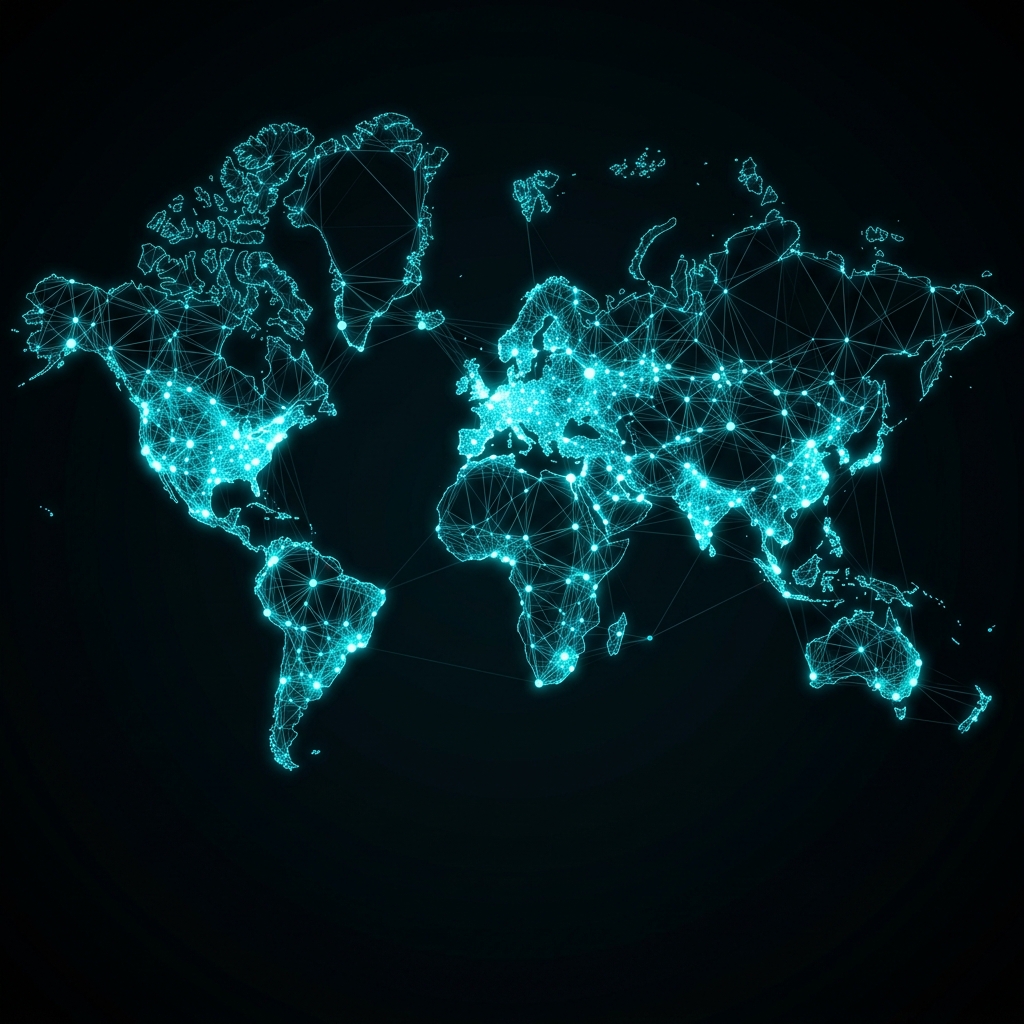
The Core Insight
The problem is not that institutions need more internet. The problem is that modern intelligence systems have been designed as if internet access is guaranteed. It is not.
SomaMesh Problem Statement
"Modern AI infrastructure assumes reliable connectivity, centralized cloud control, and continuous access to external systems. Billions of people and thousands of institutions operate under conditions where those assumptions do not hold. SomaMesh provides a different model: localized intelligence, institutional ownership, and resilient operation in environments where connectivity cannot be assumed."