SomaMesh is a sovereign edge intelligence platform for low-connectivity environments. It enables institutions to deploy localized AI, offline knowledge access, assessments, and operational analytics without continuous internet, cloud dependency, or imported enterprise infrastructure. Education is the first deployment vertical. The platform is built to expand into logistics, manufacturing knowledge, and agricultural intelligence over time.
The internet-first AI model leaves too many institutions behind.
Across much of the developing world, AI adoption is being shaped by assumptions that do not hold in practice. Cloud-native systems assume stable internet, reliable electricity, modern hardware, and recurring foreign-currency budgets. For many institutions — especially those serving rural communities, refugee populations, and low-connectivity regions — those assumptions are broken from the start. The result is a widening gap between what AI can theoretically do and what institutions can actually deploy.
Connectivity breaks continuity
Cloud AI assumes stable connectivity and electricity. In rural schools, refugee settings, and low-connectivity institutions, these assumptions fail instantly. Learning stops when the signal drops.
Cloud costs break affordability
Continuous API calls require recurring foreign-currency spending. For developing ministries and NGOs, this makes national-scale AI deployments financially impossible. The cost model is structurally wrong.
Real-time AI breaks on weak hardware
Modern web apps require unified device environments. SomaMesh targets the fragmented, low-end Android ecosystems actually present in the field — not the devices developers assume exist.
SomaMesh was built for that gap. Instead of forcing institutions to depend on remote cloud services they cannot reliably access or afford, it brings intelligence directly to the local environment. Content stays available offline. Learning continues during outages. Institutions retain control over their data, deployment rules, and long-term operating costs.


Why now
The timing has changed. Small language models are now capable enough to support useful local inference. Offline-first software patterns are more mature. Governments and institutional buyers are increasingly focused on sovereignty, local control, and domestic infrastructure capacity. At the same time, connectivity gaps remain large enough that offline deployment is still not a fallback strategy — it is a strategic advantage.
Small models are finally deployable locally
Local inference is now practical. High-quality SLMs can run on edge hardware without hyperscaler dependency. This is the moment where local intelligence becomes possible.
Sovereignty is a strategic requirement
Institutions and governments demand absolute local control of their data, curriculum, and infrastructure. This is procurement logic now, not just a political slogan.
Connectivity gaps are permanent
Offline deployment is not a temporary stopgap; it is a permanent necessity for 33% of the global population. This is a structural market opportunity.


What SomaMesh actually is
SomaMesh is not just a mesh network. The mesh is the delivery layer. The real product is the intelligence stack that sits on top of it.
The platform is designed to be sovereign by default. Data stays local unless synchronization is explicitly allowed. Content can be tailored to institutional needs. Local language support can be expanded over time. And because the system is designed for offline environments from the beginning, it does not collapse when the internet becomes unreliable.
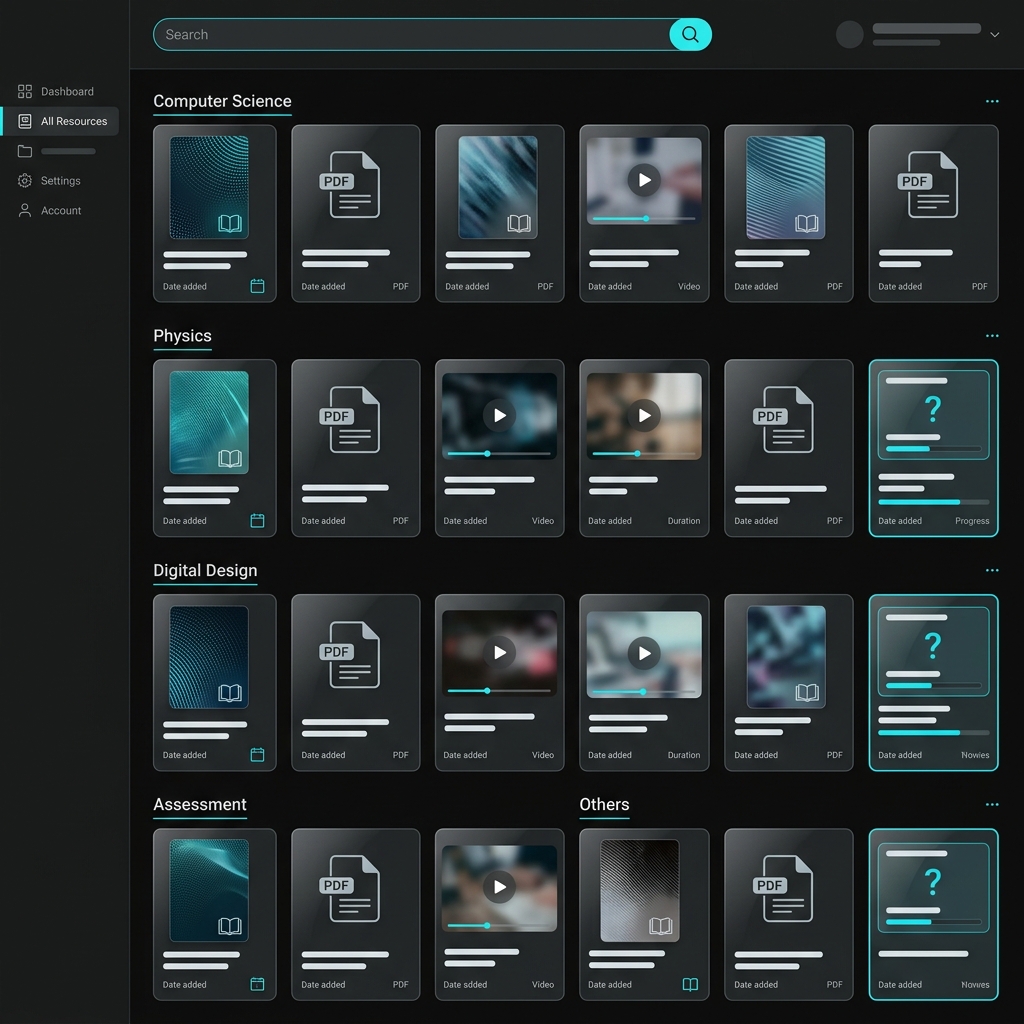
Local Knowledge Vault
An offline repository of textbooks, curriculum content, PDFs, videos, assessments, and simulations accessible without internet connectivity. No massive data charges. No content gatekeeping.
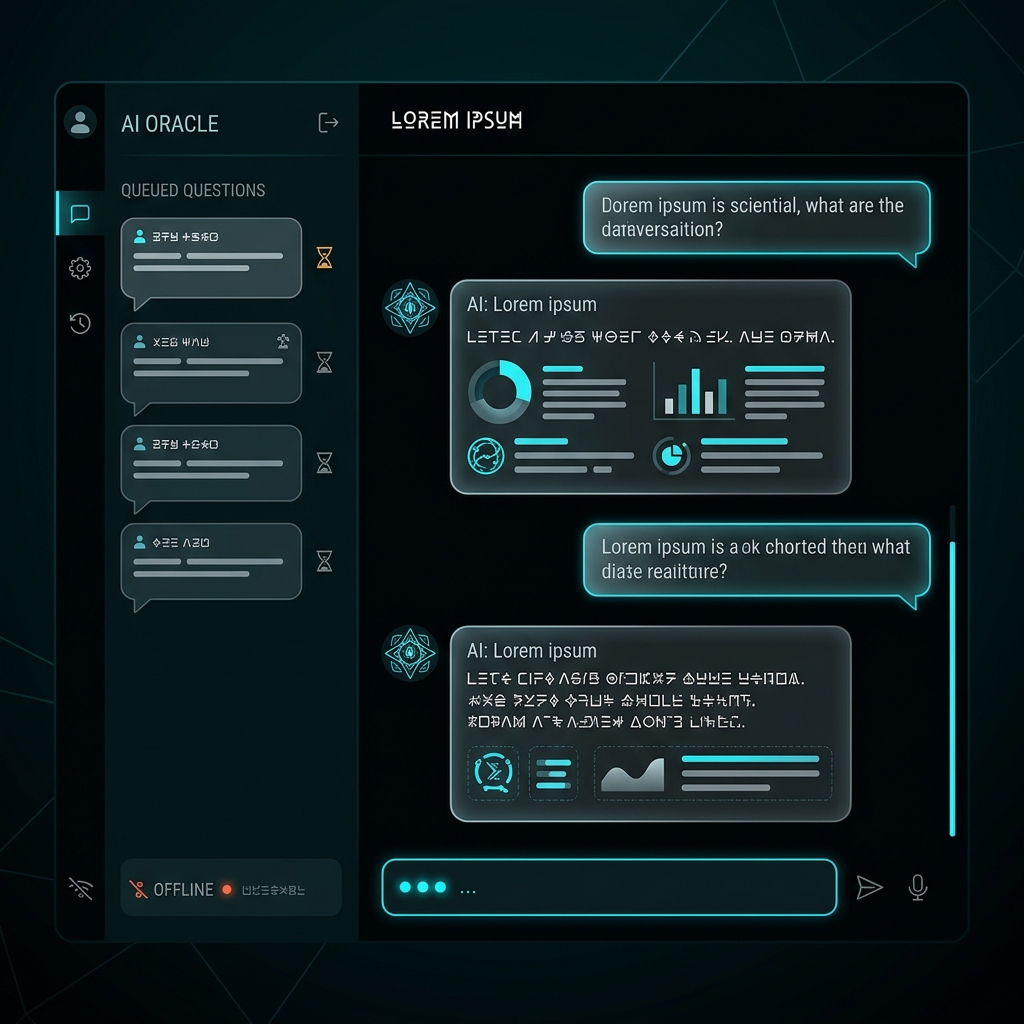
Asynchronous AI Oracle
Allows learners and teachers to submit questions and receive grounded responses from a local intelligence engine — not a cloud-based chatbot. Queued inference that works without constant live cloud access.

Institutional Dashboard
Shows usage, engagement, learning activity, and deployment health. Creates a system useful not only for students, but for the institutions responsible for serving them.
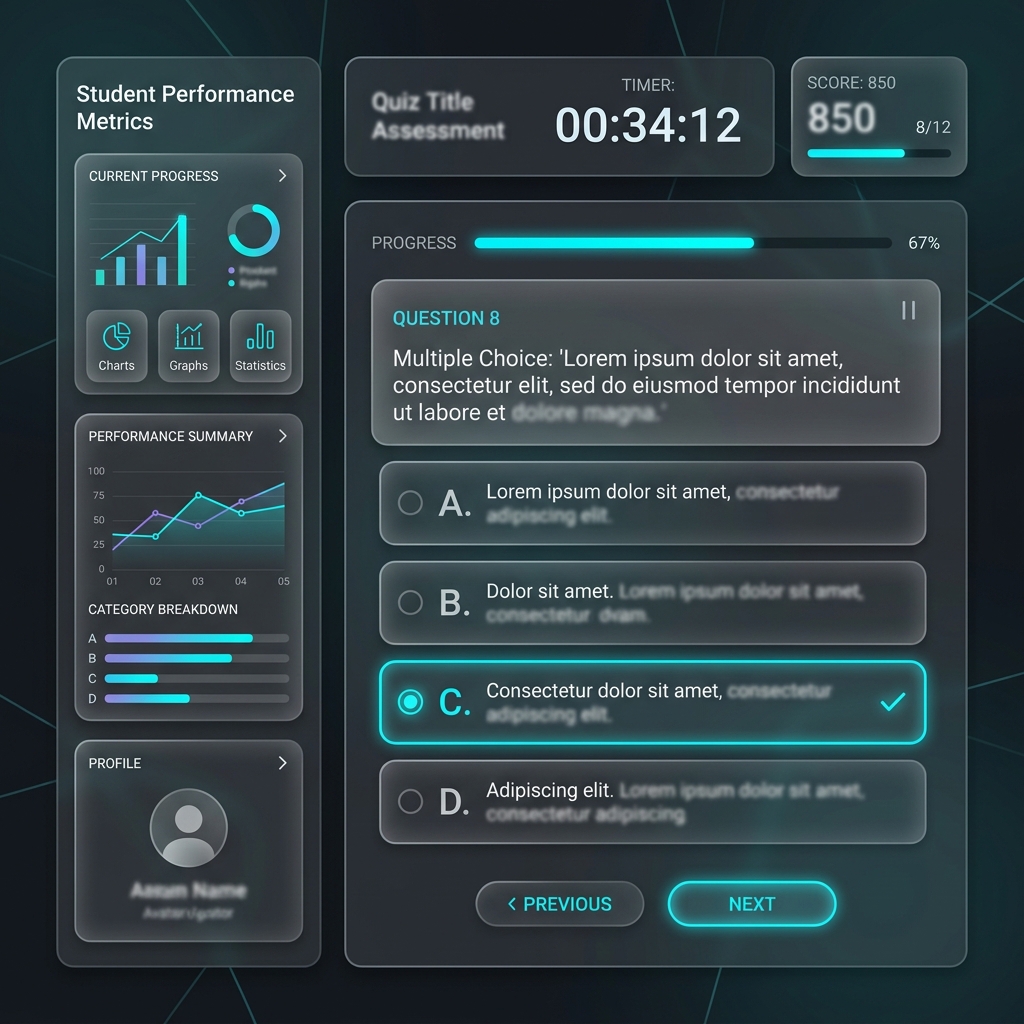
Offline Assessment Engine
Teacher-created quizzes and learning checks that work entirely offline. Results cache locally and sync when connectivity allows. Continuity that does not depend on a signal.
Live Simulation
Interactive mesh network — devices orbiting the local hub
Local intelligence first
SomaMesh follows a simple deployment logic. A local hub is installed in the institution using low-cost hardware. Existing Android devices connect through the local network layer. When connectivity is available, the system syncs approved data. When it is not, the local system continues to function normally. That is the entire principle: local intelligence first, synchronization second, cloud dependency never.
Installation
Institution installs a local SomaMesh hub — minimal hardware, maximum coverage. Low-cost single-board computers run the full stack.

Connection
Learners connect through existing Android devices on local Wi-Fi. No special hardware required. No app store dependency.

Execution
Content and AI models run strictly locally. Zero cloud calls during operation. Knowledge vault, AI oracle, and assessments all offline.
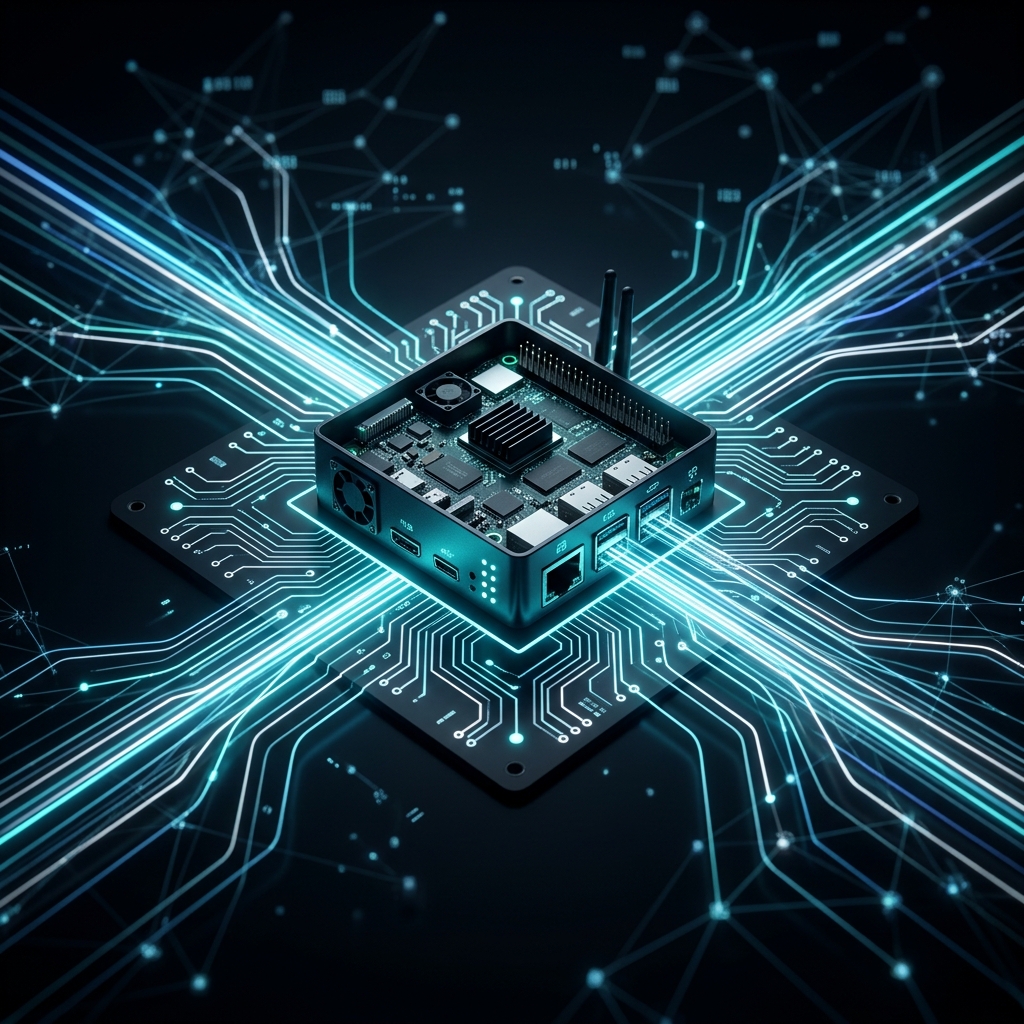
Synchronization
Data syncs securely only when connectivity allows and governance approves. Delta-based synchronization — only changes travel.
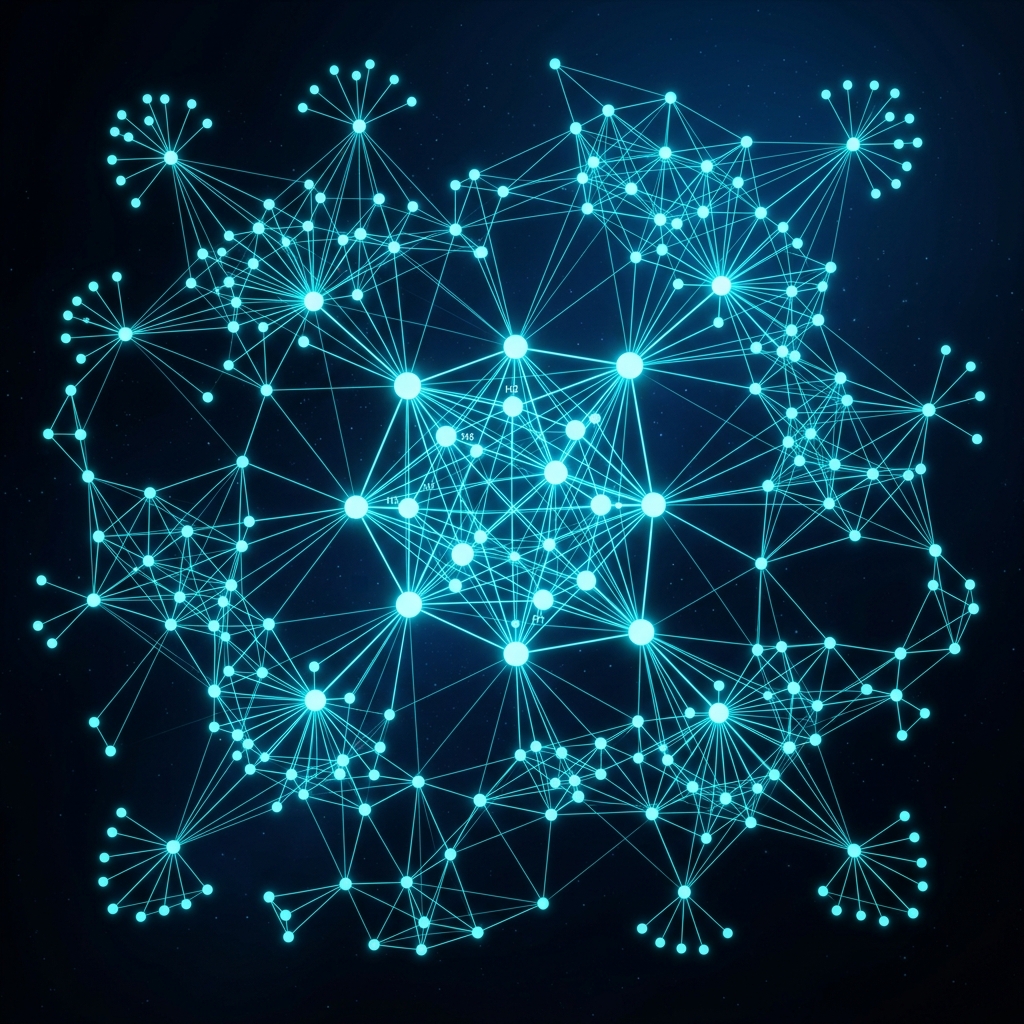
Interactive Architecture Stack
Hover over layers to explore the five-tier deployment architecture
Education is the first market, not the final market.
Education is the first market because it offers the clearest proof of value. It is where offline access, curriculum support, assessment continuity, and institutional visibility all matter at the same time. A school, learning center, or training institution does not need to adopt an entirely new technology philosophy in order to benefit from SomaMesh. It simply needs a reliable way to deliver intelligent learning infrastructure where the internet is weak, the budget is constrained, and the operational environment is inconsistent.
The first buyers are not students. The first buyers are institutions. These buyers already have a mission, a budget, and a measurable outcome. SomaMesh gives them a deployable system that improves continuity, control, and visibility.
- Offline learning continuity
- Teacher adoption rates
- Student usage telemetry
- Institutional willingness to pay
- Local language readiness
- Assessment completion rates
- Content engagement depth
- Synchronization reliability
What the buyer gets
For institutional buyers, SomaMesh solves three problems at once: continuity, control, and scale. This is not just software. It is a local intelligence layer that can be deployed, measured, and expanded in phases. The value is not only in what the system does today, but in the fact that the institution can keep using it tomorrow without becoming more dependent on foreign infrastructure.
Continuity
The system keeps working when connectivity fails. Lower dependency on unreliable internet. Measurable learning activity delivered reliably to disconnected regions.
Control
The institution owns its data, content, and deployment rules. Absolute local control without foreign enterprise entanglement. Sovereign oversight by design.
Scale
The same architecture can be expanded to multiple sites without rebuilding from scratch. Deployable, rugged infrastructure that grows as a platform foundation.
Built for field conditions
SomaMesh is built as a layered edge system. This architecture is intentionally practical. It avoids dependence on expensive enterprise hardware. It avoids the fragility of cloud-only systems. And it creates a path for institutions to deploy intelligence in environments that are usually ignored by mainstream AI products.
Revenue architecture
SomaMesh is designed as a B2B and B2G infrastructure business. The buyer is not purchasing a novelty. The buyer is purchasing reliability, local control, measurable learning support, and a deployment model that works inside real constraints. As the platform expands, the same commercial logic supports larger regional and national deployments.
Institutional Licensing
Software platform fee paid by the Ministry or NGO. Core recurring revenue at the site level.
Deployment Services
Initial setup, ruggedization, and field logistics. One-time onboarding revenue per deployment.
Maintenance & Support
Recurring SLAs for hardware health, network reliability, and operational support.
Content & Model Updates
Periodic delta-syncs of new SLMs, localized curriculum, and assessment packages.
National Contracts
Multi-site expansion contracts driven by pilot success and institutional proof.
Make the pilot easy to buy. Make expansion economically inevitable.
From pilot to platform
The pilot is not meant to prove everything at once. It is meant to prove the most important thing: that sovereign AI infrastructure can be deployed successfully in low-connectivity environments and deliver measurable value.
Validate the offline classroom node
Confirm the platform works in a real institutional environment with real learners and teachers.
Deploy local AI and assessments
Add the intelligence layer. Test AI oracle, assessment engine, and knowledge vault at scale.
Measure institutional outcomes
Collect usage data, continuity metrics, and institutional response. Prove the value proposition.
Expand into adjacent verticals
Replicate the model across new sites and new sectors. Logistics, manufacturing, agriculture.
Network Growth Simulation
Watch the network evolve from single prototype to national scale deployment
Future platform directions
SomaMesh is the base platform. From that foundation, three future directions become possible. These are not separate companies in the narrative. They are future directions built on the same infrastructure logic. That makes SomaMesh more than a product. It becomes a platform family.

SomaTransit
Extends the same offline intelligence stack into logistics coordination, dispatch, and routing. Local fleet management without cloud dependency.

SomaForge
Distributed manufacturing knowledge, CAD libraries, manuals, and technical repositories. Offline-first industrial intelligence for emerging markets.
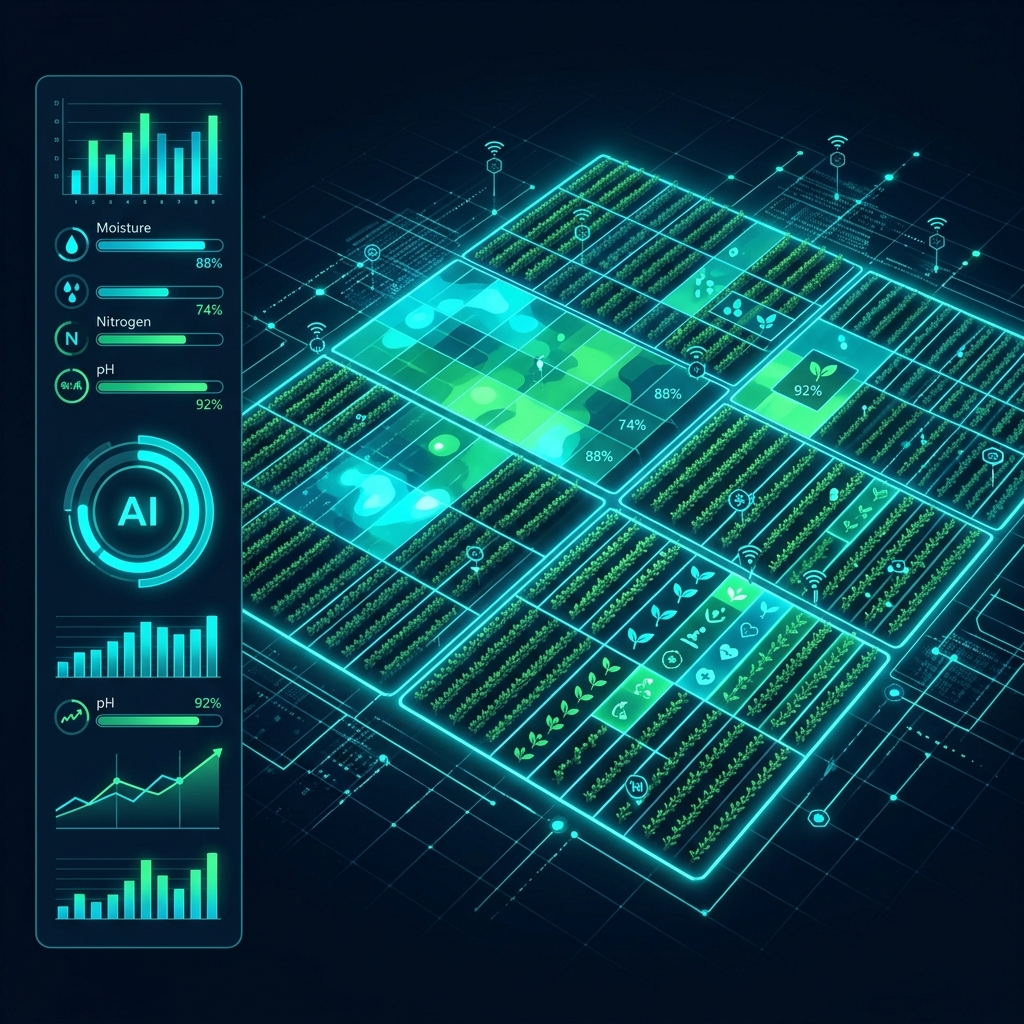
SomaAgri
Agricultural advisory, crop support, and extension-worker intelligence. Offline agronomic guidance deployed at the field level.
Why this can become a category
The investment case for SomaMesh is built on a simple convergence. Small models are now practical enough to run locally. Sovereignty has become a strategic requirement, not just a political slogan. Connectivity gaps remain large enough to justify offline-first infrastructure. And education, as a market, remains one of the most persistent and measurable areas of institutional spending. That creates a strong category opportunity.
- AI is now small enough to run locally.
- Sovereignty is becoming procurement logic.
- Infrastructure gaps remain large and persistent.
- Education is a durable, recurring budget category.
- Offline-first systems are massively under-served.
Build the infrastructure layer for offline intelligence.
SomaMesh is designed to bring AI, knowledge, and institutional control directly to the edge. It begins with education, but the platform is built for much more. For institutions that need reliable intelligence beyond the cloud, SomaMesh offers a practical, sovereign, and scalable path forward.